Clean water as a first line of defence against epidemics
- Relief articles
Clean Water as the First Line of Defense Against Epidemics
Prevention of disease may begin before reaching the clinic, at the water source the family depends on every day. The water used for drinking, cooking, and washing hands is directly linked to human health, and its importance grows in crises when networks are damaged and access to safe water becomes more limited.
How Does Water Become a Source of Risk?
Drinking water contaminated with microbes can transmit diseases such as cholera, diarrhea, and typhoid. A lack of water also limits the ability to wash hands and clean tools, increasing the chances of infection spreading.
The World Health Organization confirms that the availability of safe and sufficient water, alongside sanitation and hygiene services, is one of the pillars of protecting public health.
Why Do the Challenges Multiply During Crises?
When infrastructure is damaged or electricity is cut off from pumping and treatment facilities, maintaining water supplies becomes more difficult. Families may have to travel long distances to bring water, or reduce the amounts allocated for hygiene in order to have enough for drinking and cooking.
In shelters, the need appears at a collective level: water sources that serve large numbers of people, facilities that need cleaning and maintenance, and families looking for suitable ways to transport and store water. That is why the response must be designed according to local conditions and the population’s ability to use the services.
Water Safety from Source to Use
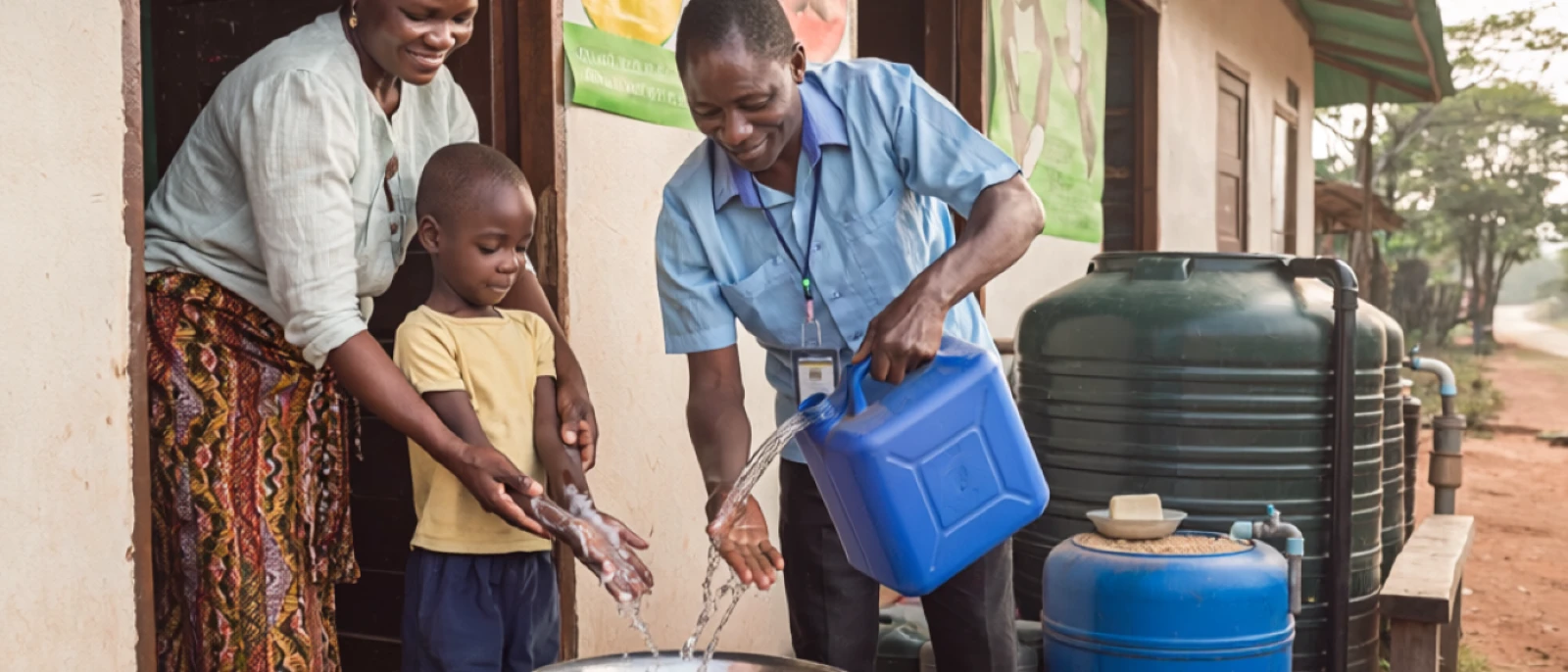
The task of providing water does not end when it reaches the distribution point; its safety needs follow-up from the source and treatment to transport and storage. Using suitable, clean, and covered containers helps reduce contamination after collection.
Awareness efforts should also be practical and easy to understand, and they should be accompanied by the means needed to apply them. Telling a family to wash their hands requires water and soap, and asking for safe storage requires suitable containers. Water treatment measures depend on the guidance of the relevant authorities and the nature of the water source.
Protecting Health Begins with Daily Needs
In health facilities, water and hygiene services support efforts to prevent infection and protect patients and workers. The World Health Organization confirms the importance of integrating these services into the response to health emergencies.
Clean water is a basic line of defense within an integrated prevention system. Every form of support that enables a family to access safe water regularly eases a daily burden and helps them protect their health and live with greater dignity.
Leave a comment
Your email will not be published. Required fields are marked *